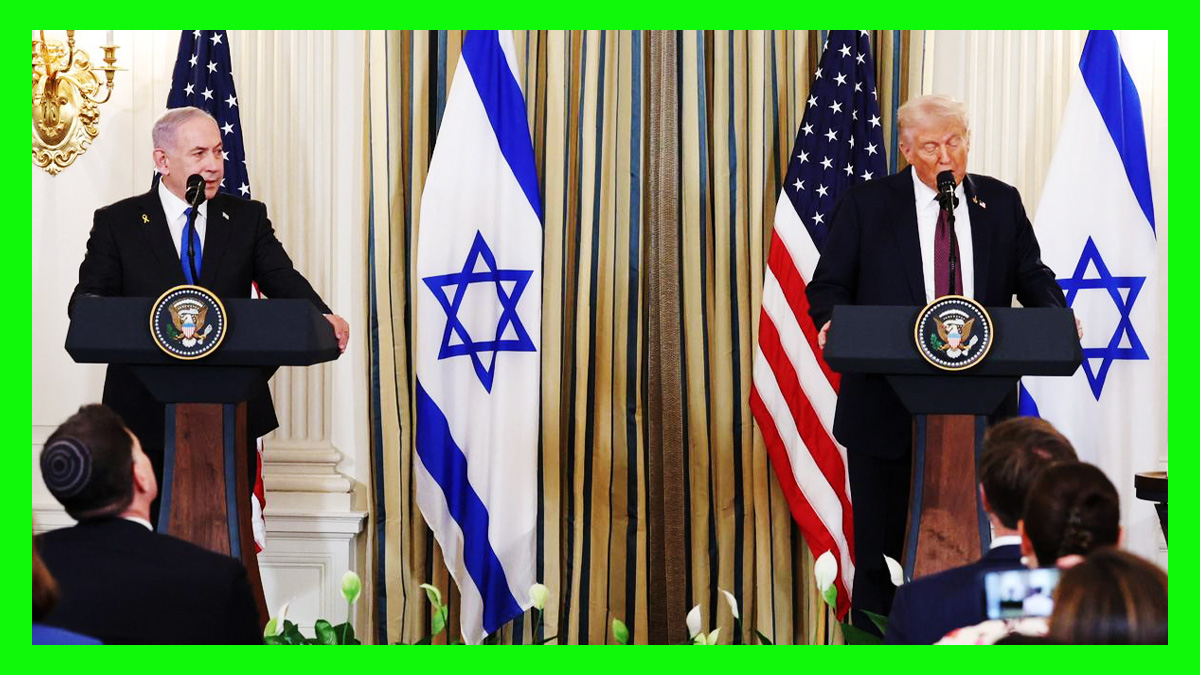
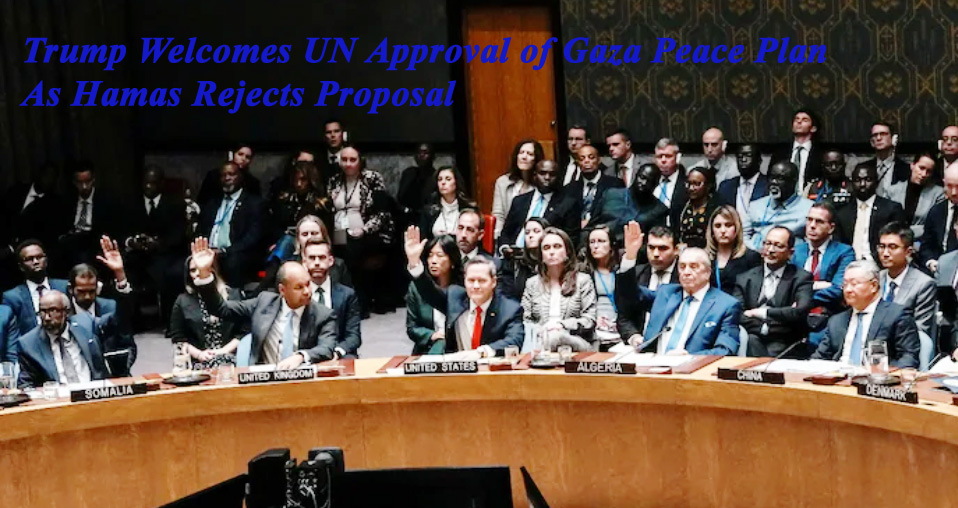
Trump Welcomes UN Approval of Gaza Peace Plan as Hamas Rejects Proposal
President Donald Trump has hailed the passage of a United Nations Security Council
resolution endorsing his administration’s Gaza peace plan, calling it “a moment of true
historic proportion.” The resolution, adopted after days of intense negotiations, authorizes
the first and second phases of a wide-ranging strategy aimed at stabilizing Gaza, initiating
reconstruction, and introducing a new transitional governing structure for the territory.
outright, their abstentions allowed it to move forward, mainly because the Palestinian
Authority and eight Arab and Muslim-majority countries signaled support. Immediately after the vote, Trump emphasized the importance of the newly proposed Board of Peace, the transitional governing body that would supervise Gaza during the initial reconstruction period. According to the plan, Trump himself would serve as chair of this board, with its remaining members—described as “the most powerful, respected leaders throughout the world”—to be announced in the coming weeks.
What the Resolution Envisions
Under the text adopted by the Security Council, the Board of Peace would oversee multiple key components of the plan:
1. Transitional Governance
A technocratic, apolitical Palestinian committee would administer day-to-day functions in Gaza, reporting directly to the Board of Peace. This temporary body is intended to provide basic governance while longer-term political arrangements are negotiated.
2. Reconstruction Efforts
The Board of Peace would coordinate international funding and humanitarian aid to rebuild Gaza’s devastated infrastructure, improve access to essential services, and support long-term development plans.
3. International Stabilization Force (ISF)
One of the most significant elements of the resolution is the deployment of an International Stabilization Force, working in coordination with:
- Israel
- Egypt
- A newly trained Palestinian police force
The ISF would be authorized to:
- Secure border areas
- Oversee the disarmament of non-state armed groups, including Hamas
- Protect humanitarian convoys and major infrastructure
- Use military force when necessary to uphold its mandate
US Ambassador Mike Waltz warned that any delay in implementing the plan “would cost lives,” arguing that a vote against the resolution would amount to a vote to return to war.

Mixed Global Reactions Trump Welcomes UN Approval of Gaza Peace Plan as Hamas Rejects Proposal
Despite allowing the resolution to pass, both Russia and China voiced dissatisfaction with multiple components of the plan. Their representatives raised concerns that the document:
- lacked clarity regarding key mechanisms and the composition of newly created bodies
- failed to ensure formal UN oversight in several areas
- did not explicitly reaffirm a strong commitment to a two-state solution
These critiques echoed broader international anxieties about the unilateral influence the United States would wield through the Board of Peace.
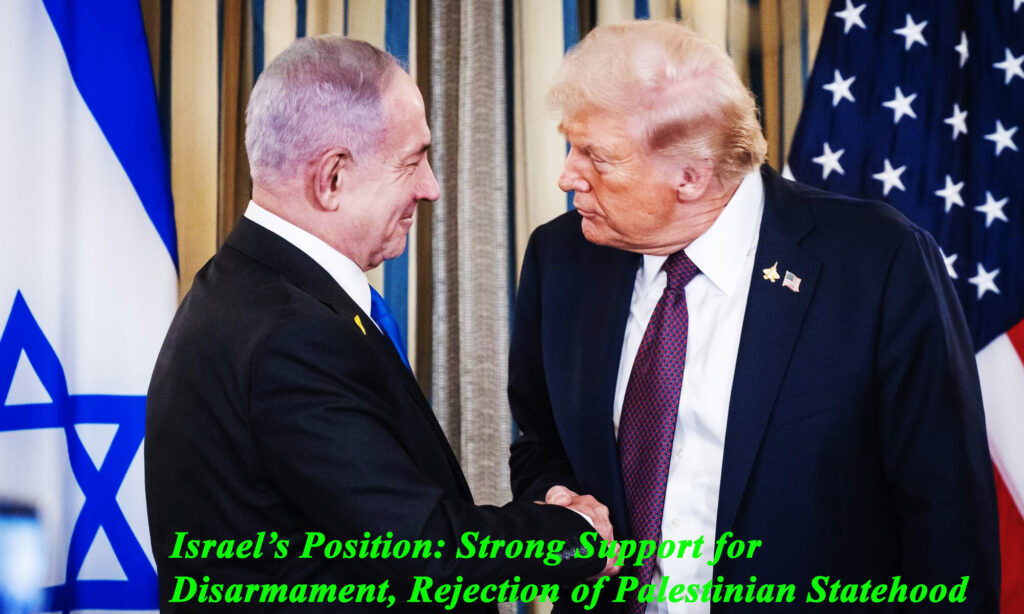
Israel’s Position: Strong Support for Disarmament, Rejection of Palestinian Statehood
In Israel, reaction to the resolution was more cautious. Prime Minister Benjamin Netanyahu, responding to debates within his governing coalition, reiterated his opposition to the creation of a Palestinian state. He insisted that “his position had not changed one bit.”
Palestinian Responses: A Deep Divide
The reaction among Palestinian groups was sharply divided.
Palestinian Authority (PA)
The Palestinian Authority, headquartered in the West Bank, welcomed the resolution, viewing it as a potential avenue toward stability and reconstruction after months of devastating conflict. The PA’s support was significant in persuading some nations to back the resolution.
Hamas
In stark contrast, Hamas firmly rejected the plan, insisting it would not disarm under any conditions short of establishing a fully sovereign Palestinian state. The group argued that:
- An international force entering Gaza would not be neutral
- The ISF would ultimately “favor Israel”
- Its resistance against what it calls Israeli occupation remains “legitimate”
Hamas’s opposition sets the stage for potential future conflict with the ISF, since the resolution explicitly authorizes the stabilization force to use military means if necessary to demilitarize Gaza.
Violence Surges in the West Bank
While political maneuvering continued in New York, violence escalated on the ground in the West Bank, underscoring how deeply volatile the broader situation remains.
In a Palestinian village near Bethlehem, settlers launched a nighttime rampage, burning cars and homes. This followed an unusual move by Israeli forces earlier in the day to evacuate a recently erected settler outpost built without government authorization. The confrontation led to clashes in which stones, metal rods, and burning tires were used against Israeli security forces. Six Israelis were arrested, according to police.
Netanyahu took the rare step of publicly condemning the violence, saying it was the work of “a handful of extremists” who were taking the law into their own hands. He announced that a ministerial committee would be formed to address the growing issue of settler attacks. The UN’s humanitarian office noted that during the Gaza war, settler violence in the West Bank surged dramatically. In October alone, it recorded more than 260 attacks, the highest monthly total in nearly twenty years of monitoring.
A Complex Road Ahead
The passage of Resolution 2803 marks a major diplomatic milestone, but the path toward lasting peace remains fraught with obstacles.
Key questions linger:
- How will Hamas’ rejection be handled on the ground?
- How will the Board of Peace operate, and who will serve on it?
- Will Israel cooperate fully with the transitional governance structure?
- Can the ISF prevent escalation while enforcing demilitarization?
As events unfold, the region faces both an opportunity for stabilization and the looming risk of further conflict.
Trump Welcomes UN Approval of Gaza Peace Plan as Hamas Rejects Proposal